Where should you locate a warehouse in Liège for your logistics flows?

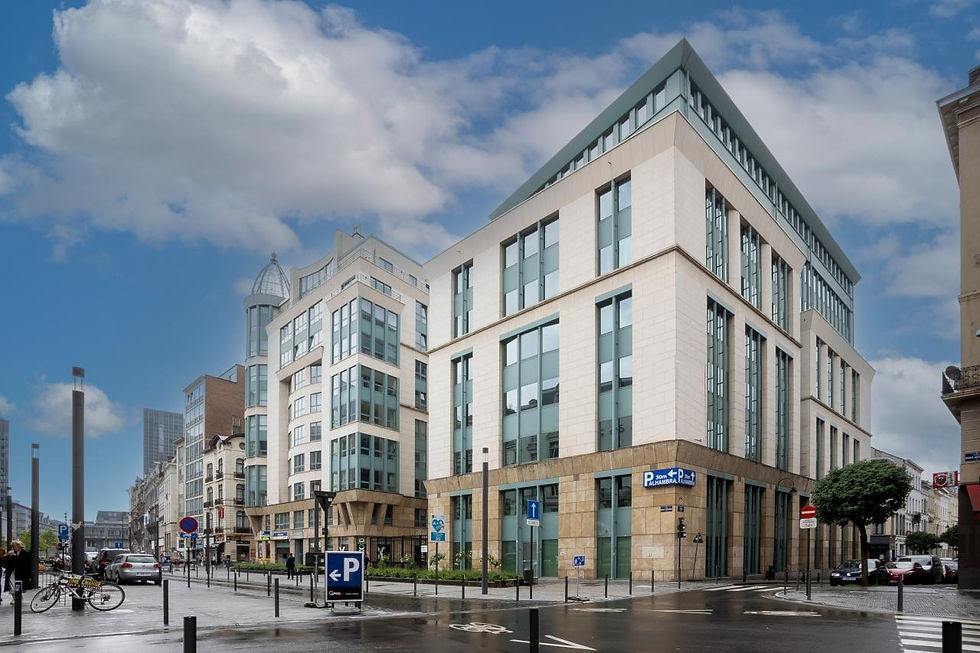
Exterior of a logistics building shown in the Trilogiport listing
Start with the journeys your goods make, rather than a business park’s reputation. A warehouse suited to regular road deliveries may not suit an importer receiving containers or an operator moving time-sensitive air freight. Herstal, Oupeye and Grâce-Hollogne are useful search areas, but none removes the need to check the individual address and the way the premises work.
The aim is to identify a site where receiving, storing and dispatching can happen under workable conditions. A map helps you develop a shortlist. A realistic operating scenario tells you which locations deserve a visit and which assumptions still need evidence.
1. Map movements before selecting an address
Record customer destinations, supplier origins, returns and transfers between your facilities. For each movement, identify the vehicle, delivery window, frequency and degree of urgency. Keep routine activity separate from exceptional shipments. Occasional air freight should not automatically determine the location of your entire operation.
Then describe what happens after a delivery arrives. Do goods go straight into order preparation, need inspection or remain in storage? Frequent short vehicle visits create different demands from container arrivals followed by longer storage. This information helps you assess both the surrounding area and the internal layout, instead of choosing one without the other.
2. Give each Liège search area a specific role
Consider Hauts-Sarts and Herstal where the main comparison concerns road journeys and the building’s practical operation. Check the actual access point and the route through the area. A municipality name does not tell your carrier which roads or entrance it will use.
For container movements, examine Trilogiport and Oupeye. The Port of Liège describes rail, road and waterway connections at Trilogiport (French page). That is not evidence of a connection or an included service for every nearby warehouse. Ask how your loads would move between terminal and premises.
Grâce-Hollogne and the airport area merit attention when your operation actually uses air freight. Liege Airport outlines the development of an air–rail–road platform with LLI. Separate that development programme from the services available to book for your cargo, provider and schedule.
3. Check the final approach and every handover
Ask your carrier to trace the journey to the goods entrance, not to the centre of the town. Review local restrictions, turns, waiting locations and the route back out. Reaching the correct street does not demonstrate that an articulated lorry can enter, turn and depart safely under normal operating conditions.
Where a terminal is involved, identify who arranges the transfer and where responsibility changes. Ask about receiving windows, handling arrangements and delayed arrivals. Include these steps in the operating schedule. A transfer’s cost and reliability may distinguish two locations that look equally convenient on a regional map.
4. Replace general advantages with evidence
Main requirement | Evidence to request | Search area to examine |
Regular road distribution | Tested routes and site circulation plan | Herstal / Hauts-Sarts and other suitable addresses |
Container arrivals | Operator proposal and transfer arrangements | Trilogiport / Oupeye |
Recurring air freight | Route to the provider actually used | Grâce-Hollogne / airport area |
Mixed flows | Complete scenario including transfers and timings | Several areas in parallel |
Consider a fictional distributor that receives some products by air but sends most customer orders by road. It first compares daily delivery rounds, then checks the cost and practicality of collections from its air-freight provider. The nearest warehouse to the airport does not win automatically. Equally, urgent inbound shipments should not be ignored simply because they are less frequent.
5. Make the building pass the same test
A useful location cannot compensate for an unsuitable yard or an unworkable storage layout. Request plans and examine loading docks, doors, preparation areas, staff access and occupation conditions. Have the proposed activity and relevant approvals checked by the appropriate professionals; a listing description is not that verification.
Use the warehouses listed for the Liège area to begin the search, then confirm the town and address of each result. The selection may include premises outside the Liège area. Compare shortlisted buildings using identical customer destinations, delivery windows and operating requirements. Treat any advertised specification as a point to confirm for the particular unit.
The listings for Trilogiport in Oupeye and Herstal 10 offer concrete comparison starting points. Confirm availability and specifications for the unit under consideration before building a location scenario around it.
FAQ
Does a warehouse near Trilogiport automatically have terminal access?
No. Confirm the operator, service access, commercial terms and transfer arrangements. A nearby address does not itself establish a right to use the terminal.
Does an e-commerce business need an airport location?
Only where its freight flows and chosen providers justify it. An e-commerce operation moving mainly by road should begin with its actual inbound routes and customer deliveries.
Are Hauts-Sarts and Oupeye interchangeable?
They may both belong on a shortlist, but compare journeys, buildings and required services. Their area names alone cannot establish equivalent suitability for an operation.
How should two Liège locations be compared?
Use the same volumes, destinations, schedules and delivery constraints. Add the transfers and operating costs specific to each option, keeping unconfirmed assumptions visible.
Turn your flow map into a practical shortlist
Share your goods movements, vehicle types and timetable with Mesh-immo. Discuss the buildings worth examining, so visits address your operation and the questions your carriers need answered.