Part-time coworking in central Brussels: how do you choose a membership that works?
Updated: 4 hours ago

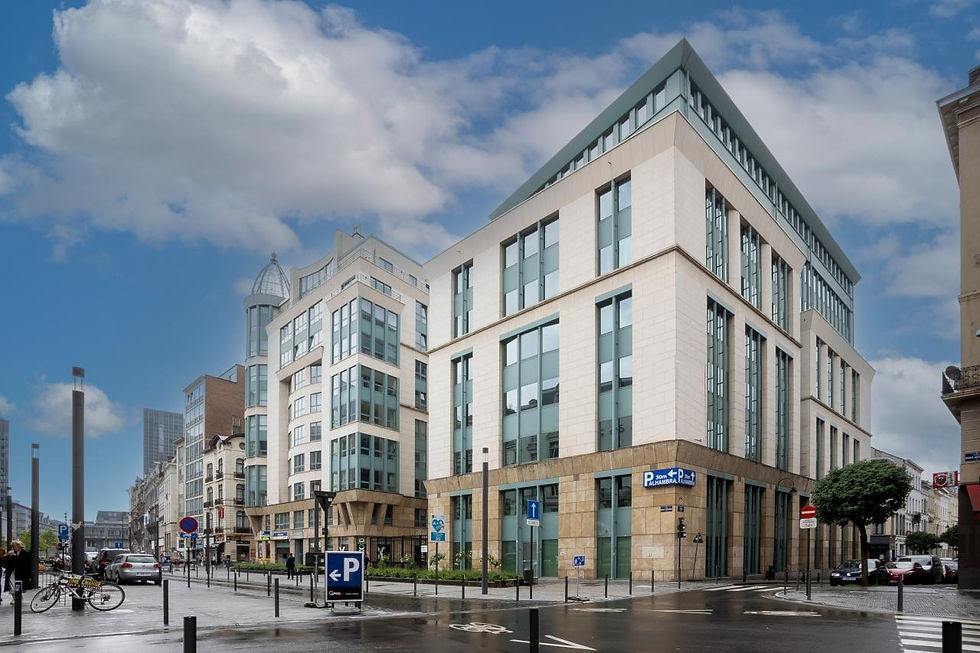
Exterior of the Joseph 7 building in central Brussels
A part-time coworking membership must work on the days you actually need it. The price of a pass does not tell you whether a desk will be available on Tuesday, whether colleagues can sit together or whether you may leave a monitor behind. Compare a real calendar with the conditions of each package before deciding.
Looking for coworking space in Brussels city centre? Compare private offices, included services and contract terms with Mesh-immo. Compare coworking spaces · View available offices · Request a tailored selection
Browse coworking spaces available in Brussels while asking: “How would our working week run here?” A central address may suit your journeys and appointments, but location does not replace checking the membership rules.
1. Map a normal week and an exception
Record attendance days, arrival and departure times, calls and meetings. Distinguish fixed days from decisions made at short notice. For a team, highlight shared attendance: four people each attending twice a week may not require four desks every day, but could still need four places simultaneously on Tuesday.
Take a fictional team planning two days a week, including one shared day, plus a monthly partner meeting. Add a week with a cancelled business trip or an urgent need for a third day. This second scenario tests whether the package remains usable when plans change, instead of matching only an ideal week. It also clarifies which requests need guaranteed availability and which can remain optional.
2. Separate access, credits and a confirmed desk
A pass may grant entry without reserving a particular desk. A credit may cover a full day, a time slot or another unit defined by the operator. Ask what is deducted, when the deduction happens and how long credits remain valid. Establish the treatment of public holidays and absences rather than assuming unused days carry over.
Clarify booking windows, minimum notice, cancellations and no-shows. Where entry depends on available places, ask how you can check capacity before travelling. Flexible access and a confirmed desk are different propositions. Both can be useful, but they provide different levels of certainty. Make sure everyone in the team understands which one they are buying.
3. Test the shared team day
Having enough memberships does not establish that the team can work together. Ask whether desks can be reserved simultaneously and grouped, then test the day that matters. Check replacement-member rules too: an individual credit may not be transferable to a colleague, even if the total attendance remains unchanged.
Include meeting rooms and calls in the same test. A shared day loses value if everyone must leave the group to find a calling space or your planned meeting depends on an unavailable room. Ask which services are included, which require a separate reservation and how additional requests are charged. Obtain answers for the exact package under consideration, not just a general description of the location.
4. Plan equipment and real journeys
List what you carry: laptop, monitor, documents and accessories. Check lockers, permanent storage, dimensions, security arrangements and possible fees. A roaming membership does not automatically allow equipment to remain on a desk. Plan an end-of-day routine that fits the operator’s rules and the belongings your team needs.
Test the full journey from your arrival point to the actual address. The Joseph 7 listing can be examined as a central-Brussels example, subject to the current offer. Its URL does not prove a walking time from Brussels Central station or the availability of a part-time package. Verify those separately before including them in your comparison.
5. Arrange a trial and understand changes
Ask whether a representative trial is possible. Use it as a genuine workday: arrive at the intended time, make a reservation, take a call and put your belongings away. Record differences between the package description and practical use, such as long booking notice, scattered seating or awkward equipment transport.
Then compare required days, confirmed capacity, cancellation rules, storage, rooms and package changes. Ask each operator to price both your normal and exceptional scenarios. Before choosing, establish how to add days, switch memberships or end the arrangement. A package described as flexible should not be assumed to remove every notice period or condition.
FAQ
Does a pass guarantee a desk?
Not necessarily. Ask whether booking confirms a place or whether entry remains subject to availability. Find out how to obtain that information before setting off.
Can unused days be carried over?
This depends on the package, validity period and cancellation rules. Confirm any rollover and expiry date rather than inferring them from the word “credit”.
Can the whole team come on the same day?
Confirm simultaneous capacity and whether desks can be grouped. Membership numbers alone do not guarantee the team can sit together on the required day.
Can we leave a monitor on site?
Check storage, assigned desks, security and fees. Roaming access does not automatically include permanent storage or permission to leave a desk set up between visits.
Your next step
Share your typical week with Mesh-immo, including the shared team day and one likely exception. This helps compare spaces on actual use rather than an advertised price alone.