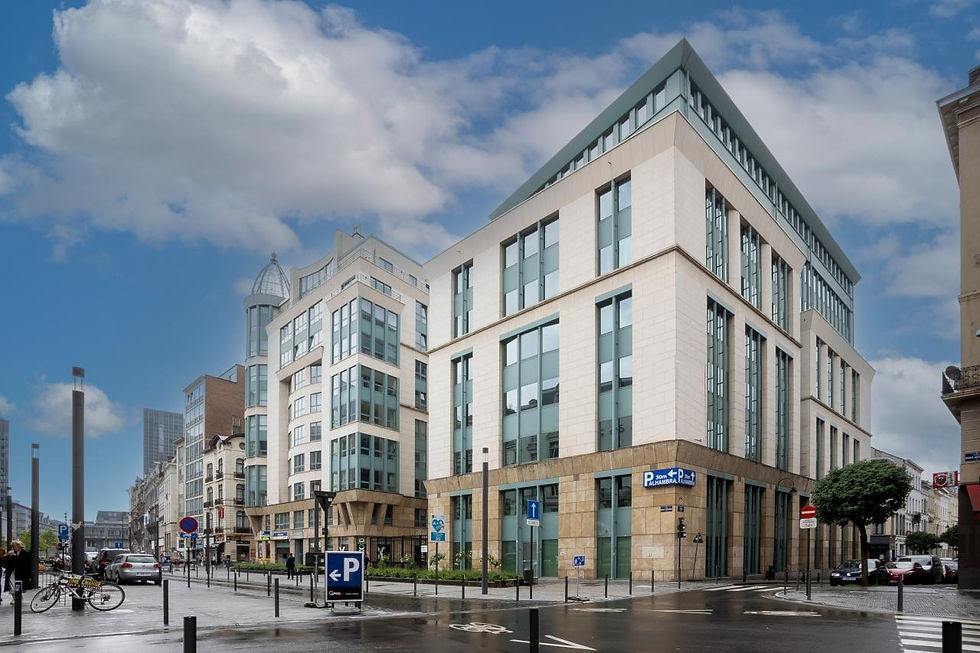
Office Space in Brussels in September 2026: How to Read the Market Before Signing
The start of the new season often brings property plans back to the table. A team is growing, a lease is coming to an end, or the premises no longer suit the way people work. In 2026, the key question is: which office space truly serves our business?
A market that calls for nuance
CBRE describes a subdued first quarter in Brussels' office market. JLL also recorded a decline in take-up during the first half of the year. These figures measure completed transactions. They do not guarantee that the right office will be available at the right cost. The location, condition of the building and suitability of the floor space remain decisive.
Compare genuinely comparable options
For each building, ask about usable floor area, service charges, handover condition, fit-out options and move-in date. A lower asking rent can hide renovation work or less efficient use of space. Visit two micro-neighbourhoods using the same brief: offices in central Brussels and those in the European Quarter serve different commuting patterns.

Make decisions based on how the space will be used
Start with days in the office, meetings to host and the full monthly budget. Only then shortlist buildings. Every viewing should lead to a simple comparison table, not an isolated impulse decision.
The test to run before making an offer
Choose three properties and note five points for each: total cost, travel time, floor-plan quality, required works and lease flexibility. Give each criterion a weighting based on your business. If a building wins only because of its asking rent, ask what the calculation leaves out. This comparison helps distinguish broad market trends from what is genuinely right for your company.
What we would look at for an SME searching today
Consider a 25-person services company whose lease expires in nine months. It meets clients twice a week, and most employees come in on Tuesday, Wednesday and Thursday. The first instinct might be to ask how large the current office is. We would start with three other questions: how many people are in at the same time, how many meetings overlap, and who needs easy access to the premises? This conversation often cuts out unnecessary viewings. It also helps distinguish a building that looks attractive in photos from a place that truly works for this team.
Why a quieter market does not automatically mean a bargain
A slowdown in transactions does not automatically bring discounts on every building. A bright office floor, close to a station, well equipped and available on the right date can still attract strong interest. Conversely, a less suitable space may look appealing only because its starting rent is low. In 2026, it is better to arrive with a decision grid: floor-plan quality, total cost, travel time and required works. You can then negotiate on verifiable points, such as a contribution towards fit-out or a move-in date that works with your schedule.
Our practical advice
Before asking for a proposal, view the premises with the person who will manage them day to day. They will notice details a busy decision-maker might miss: receiving parcels, call privacy, movement between teams and access to meeting rooms. Write down three things that work and three possible irritants straight away. Do the same for every property. This quick note makes the next discussion more human and balanced: you are not choosing an address for a financial spreadsheet alone, but a place where people will spend a significant part of their week.
Frequently asked questions
Should we wait for rents to fall across the board?
No overall trend replaces an assessment of a specific property. Compare the full terms of the offers available when your company needs to decide.
What is the first document to prepare?
A one-page brief covering floor area, move-in date, full budget and priority uses is enough to make initial viewings more useful.