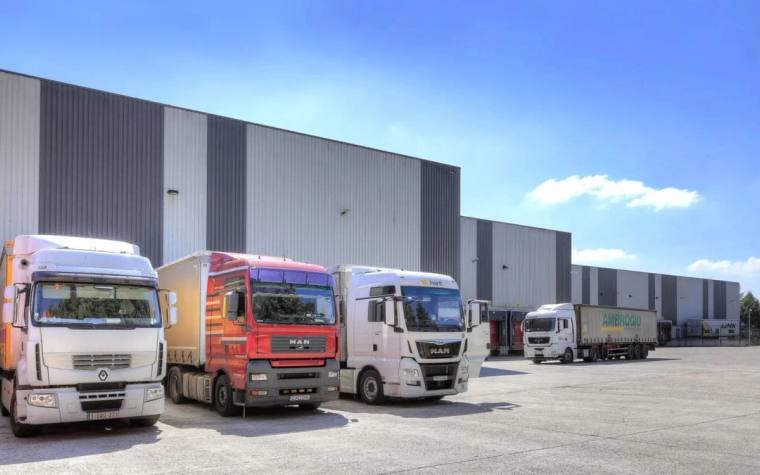
Loading docks and articulated lorry access: how do you test a warehouse before renting?
A loading dock in a photograph does not establish that your deliveries will work. Follow the full journey from the site entrance to receiving and storage.
Rental and commercial real estate
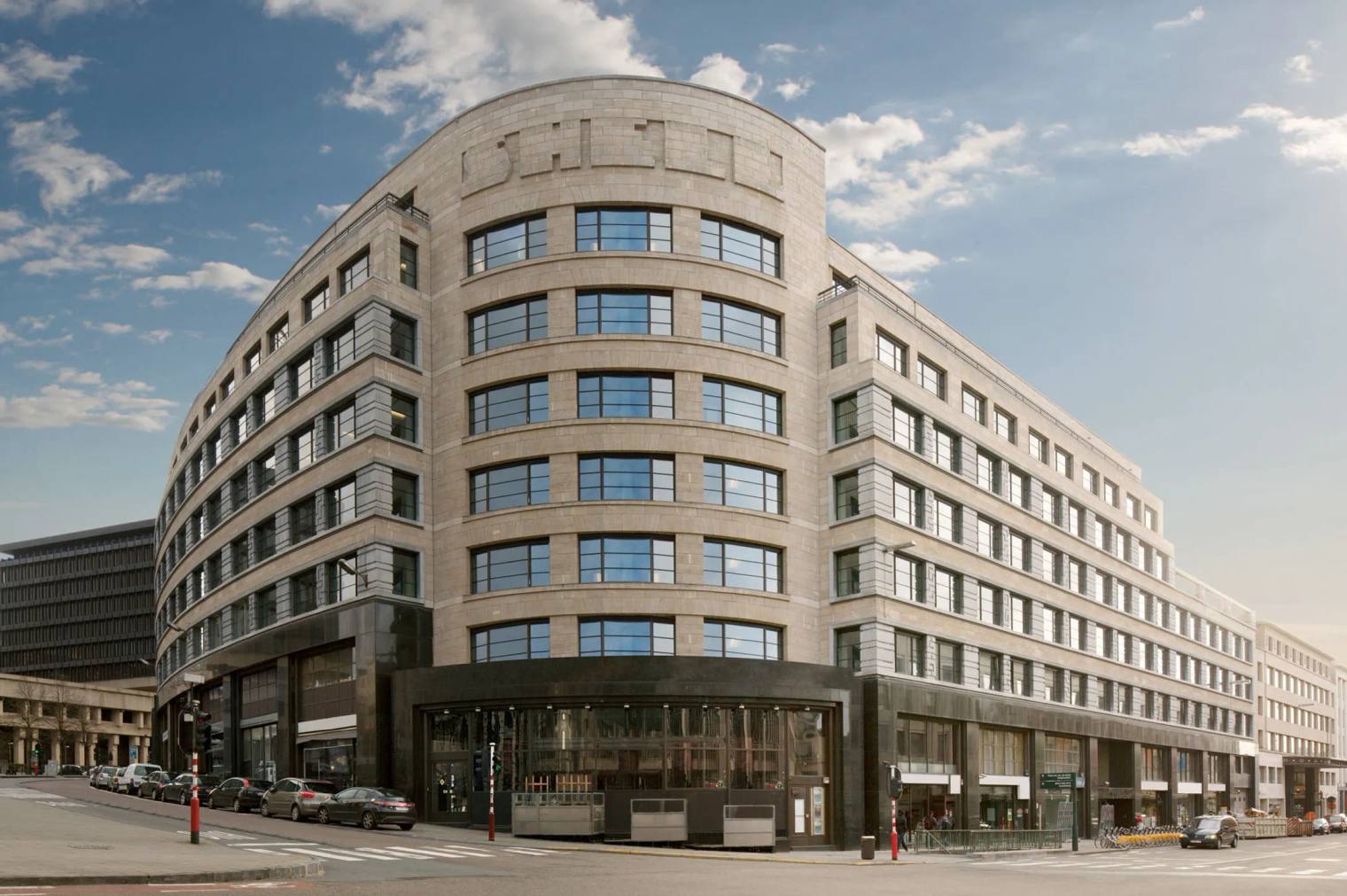
A prestigious address loses its value if the daily commute wears out the team or makes meetings harder. Mobility deserves a place of its own in your property brief.
Looking for offices in Brussels?
Compare available spaces, rents and lease terms with Mesh-immo.
View available offices · Compare coworking spaces · Request a tailored selection
Group employees' starting points by municipality without exposing their home addresses. Note how often clients travel, who arrives by train, cycling constraints and delivery needs. Then test a few real journeys at peak times. The average journey time is useful, but the hardest journeys often reveal the real compromise.
Brussels city centre can be convenient for meetings around Central Station. The European Quarter serves different professional networks. For teams or visitors who often use Midi Station, South Crystal is worth considering. No neighbourhood is right for every business.
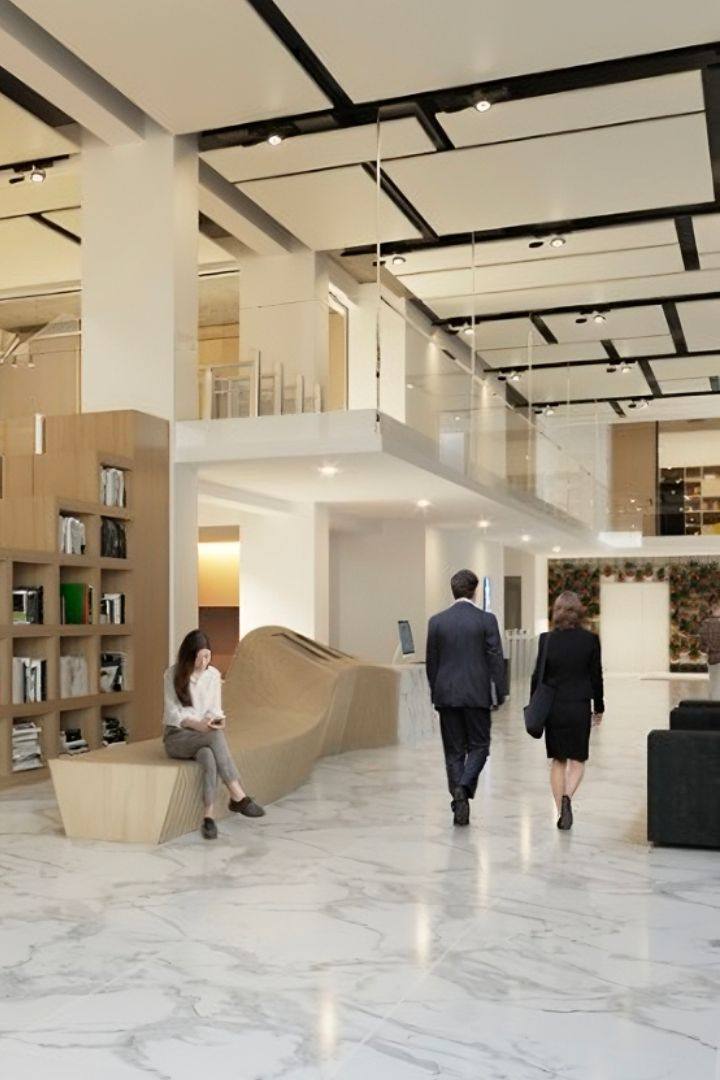
During a viewing, walk from public transport, check cycle access, the building entrance and nearby services. Picture a new employee arriving, then a client. This tells you much more than a brochure's simple claim that the building is near public transport.
Score each neighbourhood for team commutes, client journeys, cycling access, deliveries and nearby services. Weight each factor according to how you work: a consultancy may value client meetings, while a technical team may prioritize daily commutes. Repeating the ranking against two growth scenarios reveals locations that remain practical even as the organization changes.
For a 30-person team, it is often enough to know employees' starting areas by municipality or usual station. Do not ask for home addresses. Then map three scenarios: getting to the office, a client meeting in the middle of the day and the journey home. A location near Brussels-Central may be excellent for some journeys and much less convenient for an employee who needs another rail line. Discuss these differences with the team before signing.
A station that looks close on a map can still mean an unpleasant 15-minute walk or an unreliable connection. During the viewing, actually walk from the stop your employees would use. Where can they lock a bike? Can visitors find the entrance without calling? Is there suitable delivery access? For South Crystal, for example, proximity to Midi Station is useful for frequent travel, but you should also check that the premises suit everyday work.
A short consultation is enough: three journeys people find difficult, two services they value in the current neighbourhood and any essential constraints. The business owner keeps the decision, but avoids discovering too late that a supposedly “central” address is not central for the people who will come in most often. Explain the trade-offs you choose. No location will suit everyone perfectly, but people are more likely to accept it when the reasoning is clear. For the shortlist, keep one option that prioritizes daily access and another that prioritizes client meetings, then compare them on the same budget.
Not necessarily. The best compromise depends on the team's regular journeys and how often people travel to external meetings.
Test the journeys on a working day and compare the same times for each address.
Related articles
→ Strategic districts in Brussels to establish your business
→ Brussels City Centre: a guide to key business districts
→ Hybrid Work: How Much Office Space Does a Brussels Team Need?
A loading dock in a photograph does not establish that your deliveries will work. Follow the full journey from the site entrance to receiving and storage.

Buying does not automatically become the better choice after a fixed number of years. Compare complete scenarios over the same horizon and test the assumptions that matter.
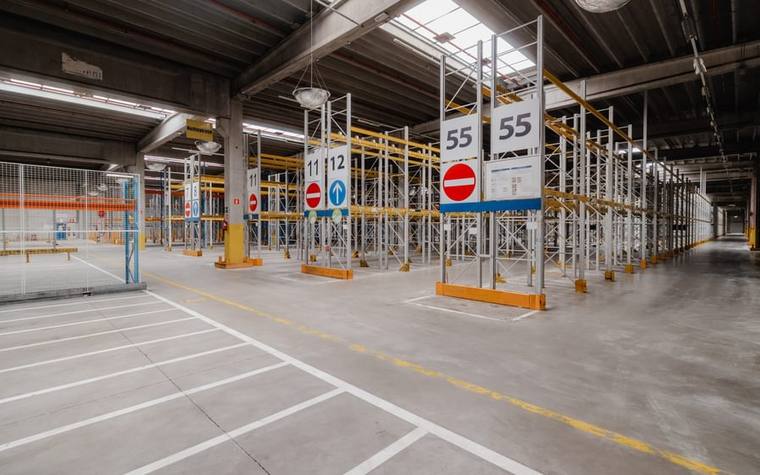
Floor area and a high roof do not guarantee useful storage capacity. Match the building to your goods, handling equipment and day-to-day operation before committing.