
Flex-office and hybrid work in Belgium: realities and challenges
Discover how Mesh-immo helps Belgian companies find flexible spaces tailored to hybrid work, optimizing their commercial real estate efficiently.
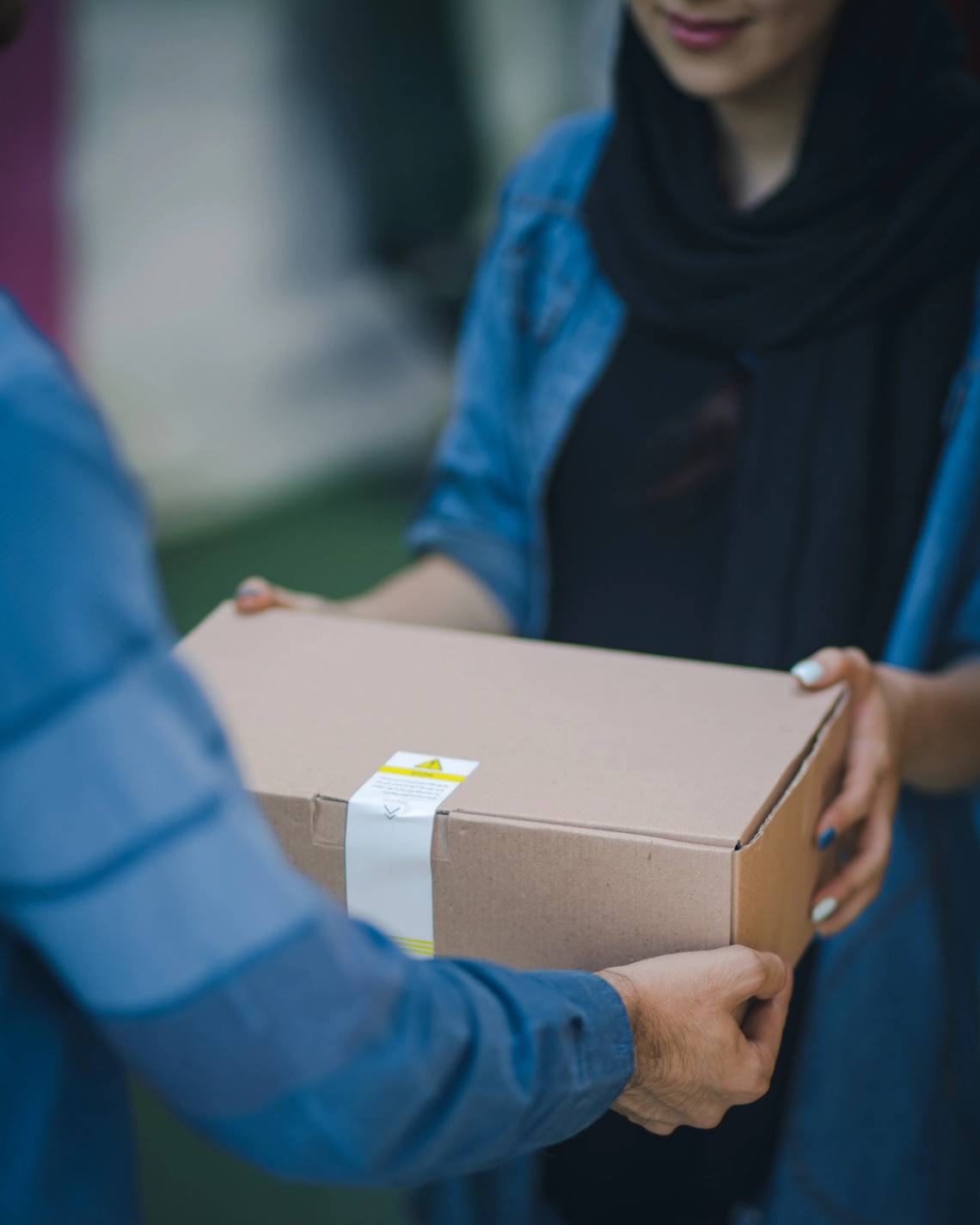
Reverse logistics, also known as the reverse supply chain, refers to the process of managing the return of e-commerce items. This process is crucial in the digital age, where customers can return or exchange products that do not meet their expectations.
Reverse logistics has become a key component of supply chain management, focusing on the efficient return, refurbishment, and recycling of online purchases. This complex process involves collecting small parcels from customers, consolidating shipments, and returning them to the seller. This complexity makes it a significant cost for businesses.
It is estimated that online purchases generate a return rate of 30%, compared to only 8% for in-store purchases (source: Ecommerce Europe). This is mainly due to the lack of a physical or tactile experience when shopping online. With e-commerce sales exceeding €887 billion in 2024, managing such high return rates has become a major logistical challenge for online retailers.
Reverse logistics is often a lengthy and costly process due to its manual nature and complexity. According to a study by the Council of Supply Chain Management Professionals, the average cost of reverse logistics is around 10-15% of the product's original cost.
Managing returns requires meticulous attention to detail, from inspecting and sorting returned items to processing refunds or exchanges. This process can be labor-intensive, requiring specialized staff and equipment. Additionally, costs related to transportation, storage, refurbishment, or disposal of products can quickly add up. Inefficient return management can lead to errors and delays, further increasing costs and negatively impacting customer satisfaction.
Returns can be a major pain point for consumers, often causing frustration with online shopping. Poorly managed returns can result in delivery delays, increased costs, and a negative customer experience. Efficient reverse logistics can help retailers and manufacturers streamline returns, reduce time and costs, and ensure faster and more effective product deliveries.
To optimize reverse logistics, businesses must implement best practices such as clear return policies and procedures, effective communication with customers, the use of specialized equipment and staff, and accurate tracking and monitoring of returns. However, this process is often largely outsourced to third-party logistics providers.
Established third-party logistics providers (3PLs) offer comprehensive reverse logistics solutions, including returns management, inventory control, refurbishment and repairs, recycling and disposal, and data analytics.
In addition to traditional global supply chain specialists, several innovative companies have emerged, offering solutions to streamline returns, reduce costs, and improve the customer experience. Here are some key players in reverse logistics:
Reverse logistics is a crucial aspect of modern supply chain management. By implementing clear return policies, leveraging advanced technologies, and partnering with specialized providers, businesses can transform return management into a competitive advantage, enhancing operational efficiency and customer satisfaction.
For advice on the location and premises that suit your business, contact our team.
Related articles
→ Different types of warehouses in Belgium to meet your logistical needs
→ A warehouse with offices: how do you combine stock and staff on one site?
→ What does renting a warehouse really cost beyond the headline rent?
Discover how Mesh-immo helps Belgian companies find flexible spaces tailored to hybrid work, optimizing their commercial real estate efficiently.